Speakers

Voices moving the conversation forward.

Explore the leaders, researchers, practitioners, and changemakers joining the 2026 forum.

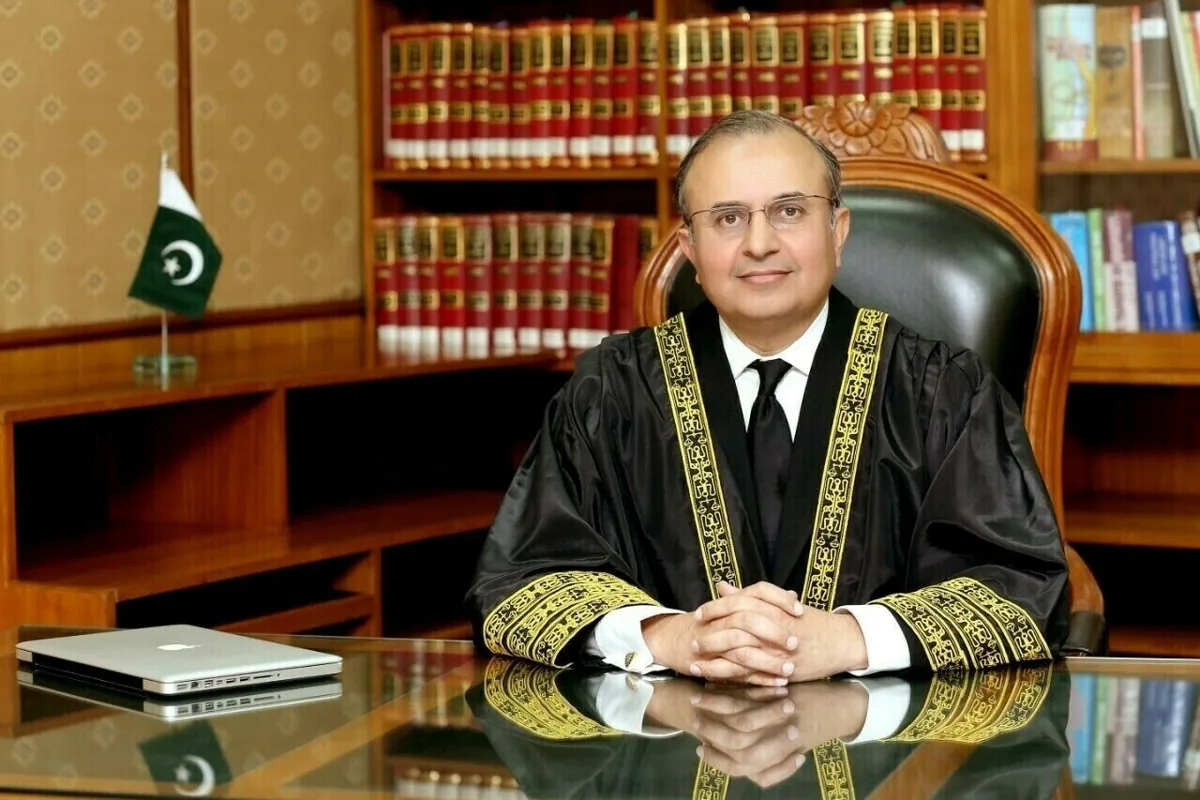
Portrait of Justice (R) Syed Mansoor Ali Shah

Justice (R) Syed Mansoor Ali Shah

Former Senior Puisne Judge, Supreme Court of Pakistan

Read biography

Justice (R) Syed Mansoor Ali Shah is a distinguished Pakistani jurist, legal scholar, and former Senior Puisne Judge of the Supreme Court of Pakistan. He previously served as Chief Justice of the Lahore High Court, completing over sixteen years of judicial service with significant contributions to constitutionalism, judicial independence, human rights, commercial law, arbitration, and judicial reform.

He currently serves as Distinguished Chair in Constitutionalism & Justice and Professor of Practice at the Shaikh Ahmad Hassan School of Law at Lahore University of Management Sciences (LUMS). He has also been appointed the Oscar M. Ruebhausen Distinguished Visiting Fellow at Yale Law School for 2026 and Bok Visiting International Professor at the University of Pennsylvania Carey Law School for 2027.

Throughout his judicial career, Justice Shah championed institutional reform, fundamental rights, democratic accountability, and technological modernisation. He pioneered Pakistan’s modern pro-arbitration jurisprudence and led the National Arbitration Law Committee in drafting an Arbitration Bill aligned with the UNCITRAL Model Law. He also introduced technology and data-driven reforms within the judiciary and authored Pakistan’s first Supreme Court judgment addressing Artificial Intelligence.

Educated at the University of Cambridge and the University of the Punjab, Justice Shah began his career as a corporate and constitutional litigator before his elevation to the bench in 2009. He is an Honorary Bencher of Lincoln’s Inn and a member of Yale University’s Global Constitutionalism Program.
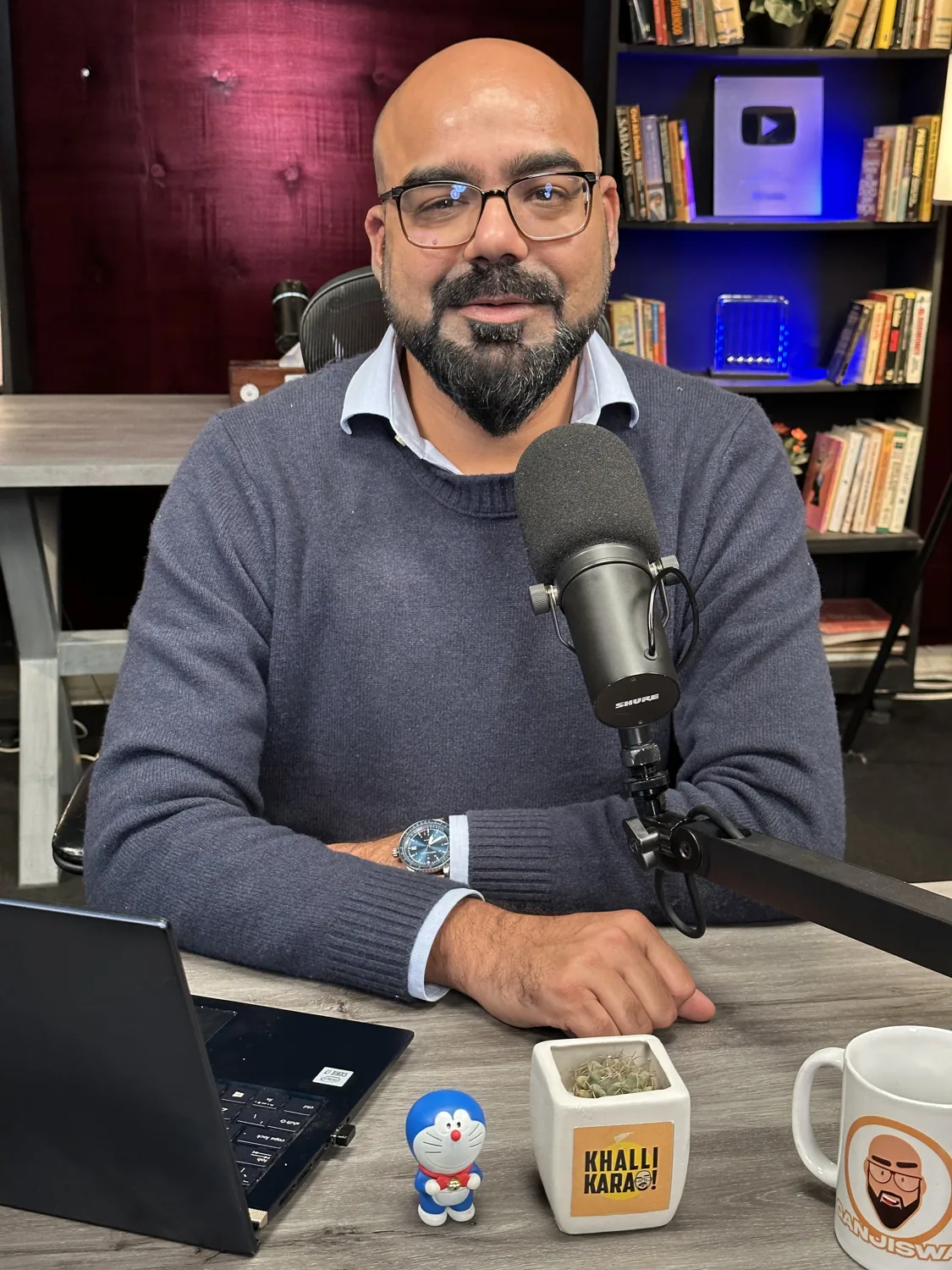
Portrait of Junaid Akram

Junaid Akram

Content Creator, Podcaster & Entrepreneur

Read biography

Junaid Akram is one of Pakistan’s pioneering digital media creators, podcasters, and cultural commentators, and a defining voice in the evolution of the country’s independent digital media landscape. Over more than a decade, he has built a community of over 5 million followers across major social platforms, creating content that resonates not only across Pakistan but with South Asian audiences and diaspora communities around the world.

Known for blending humour, social commentary, storytelling, and long-form conversations, Junaid has helped expand the role of digital content in Pakistan from entertainment into a platform for dialogue, ideas, and social reflection. His work explores themes ranging from culture, education, technology, and entrepreneurship to civic life and social change, often making complex conversations accessible and relevant to younger audiences.

What distinguishes his work is its ability to cross borders while remaining deeply rooted in lived South Asian experiences. Through a distinctly Pakistani lens, he speaks to questions of identity, ambition, responsibility, and change that resonate far beyond Pakistan, establishing him as an influential voice in the region’s evolving digital culture.

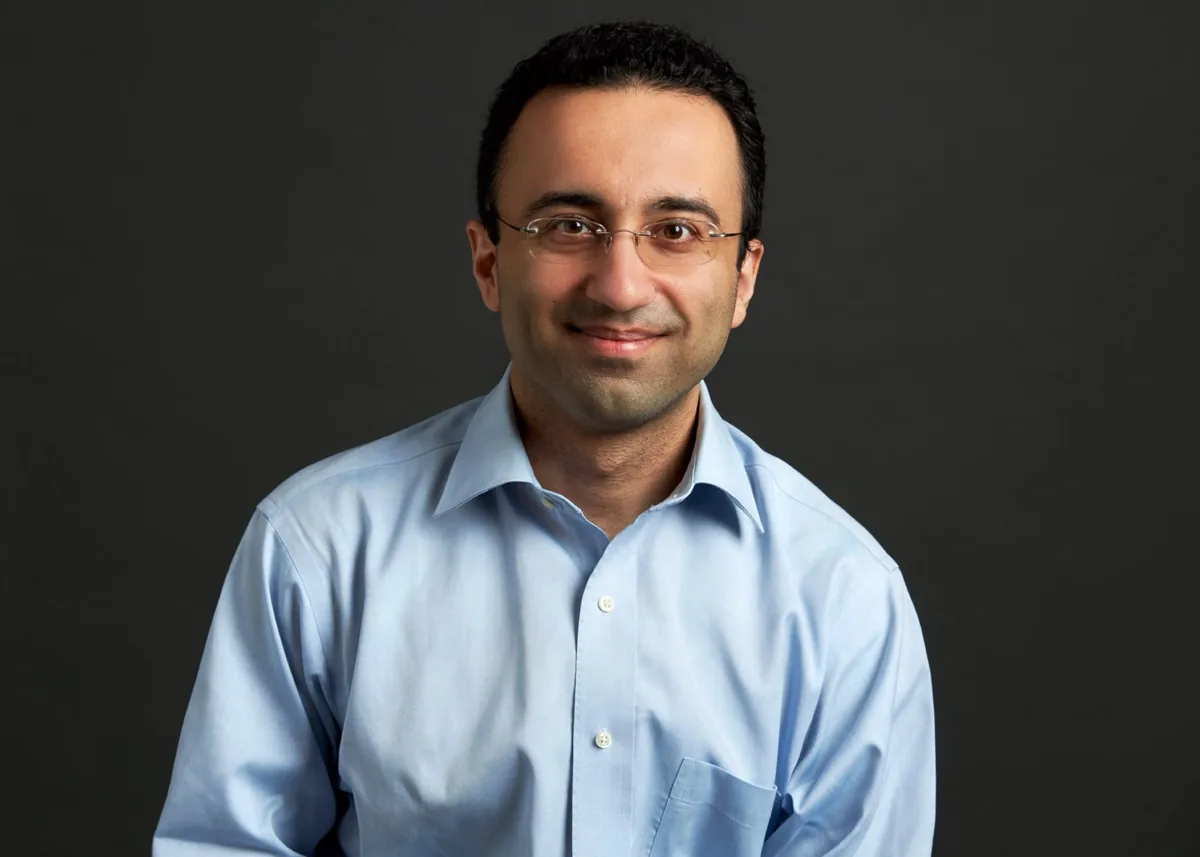
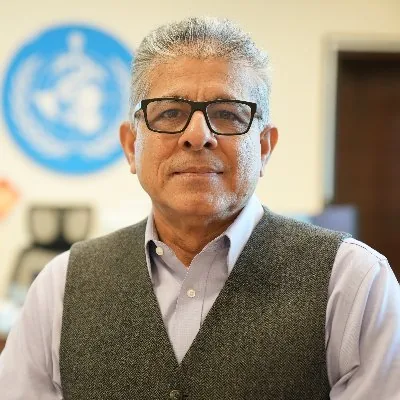
Portrait of Dr. Hamid Jafari

Dr. Hamid Jafari

Former Director of Polio Eradication for WHO (Eastern Mediterranean Office)

Read biography

Dr Hamid Jafari has been a leader of the Global Polio Eradication Initiative (GPEI) for more than two decades. He successfully led the massive polio eradication efforts in India. He served as the Director of Global Polio Eradication and the overall technical lead of the GPEI at World Health Organization Headquarters, Geneva. More recently he served as WHO’s regional director for polio eradication in 22 Regional Member States that include Afghanistan and Pakistan, the two remaining polio endemic countries globally.

He obtained his MBBS degree from Sind Medical College, Karachi University. After a research fellowship at Harvard Medical School, he completed his residency training in pediatrics at Dartmouth Medical School and a fellowship in infectious diseases at the University of Texas Southwestern Medical Center in Dallas. He joined the Epidemic Intelligence Service (EIS) at the US Centers for Disease Control & Prevention (CDC) in 1992, and quickly rose to become the Director of the Global Immunization Division and later served as the Principal Deputy Director of the Center for Global Health at the CDC.

Dr. Jafari has published more than 100 scientific papers and book chapters on pathogenesis of infectious diseases, polio eradication and other vaccine-preventable diseases and global health security.

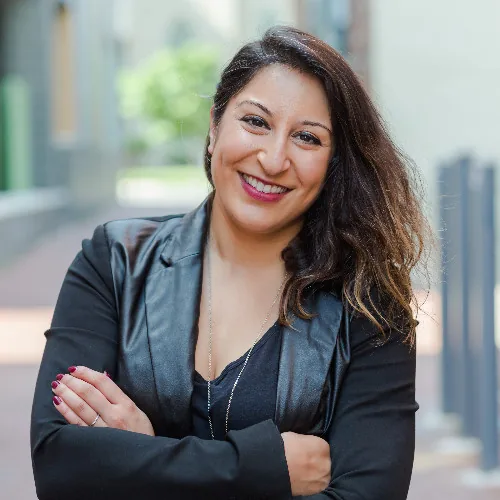
Portrait of Kalsoom Lakhani

Kalsoom Lakhani

Co-founder & General Partner, i2i Ventures & Founder, Invest2Innovate

Read biography

Kalsoom is the Co-founder & General Partner at i2i Ventures, an early stage venture capital fund for Pakistan, and the country’s first female-founded VC fund, which opened its doors in 2019. i2i Ventures has invested in Edkasa, CreditBook, Abhi, Oraan, Tazah, Truck it In, EZBike, Metric, DealCart, Safepay, Swag Kicks, Integry and more. Kalsoom is also the Founder of Invest2Innovate, i2i Ventures' sister entity, which she launched in 2011 to support and unleash the potential of young entrepreneurs in growth markets like Pakistan. She has trained young entrepreneurs, changemakers, and civil society leaders in countries like Kosovo, Nepal, Cambodia, Ireland, Bangladesh, Ukraine, and Kazakhstan, and has spoken at numerous venues, including the World Economic Forum, Aspen Ideas Festival, the Global Entrepreneurship Summit, and SXSW. In 2022, she was selected for the RoW100, Rest of World's inaugural list of 100 Global Tech Changemakers.

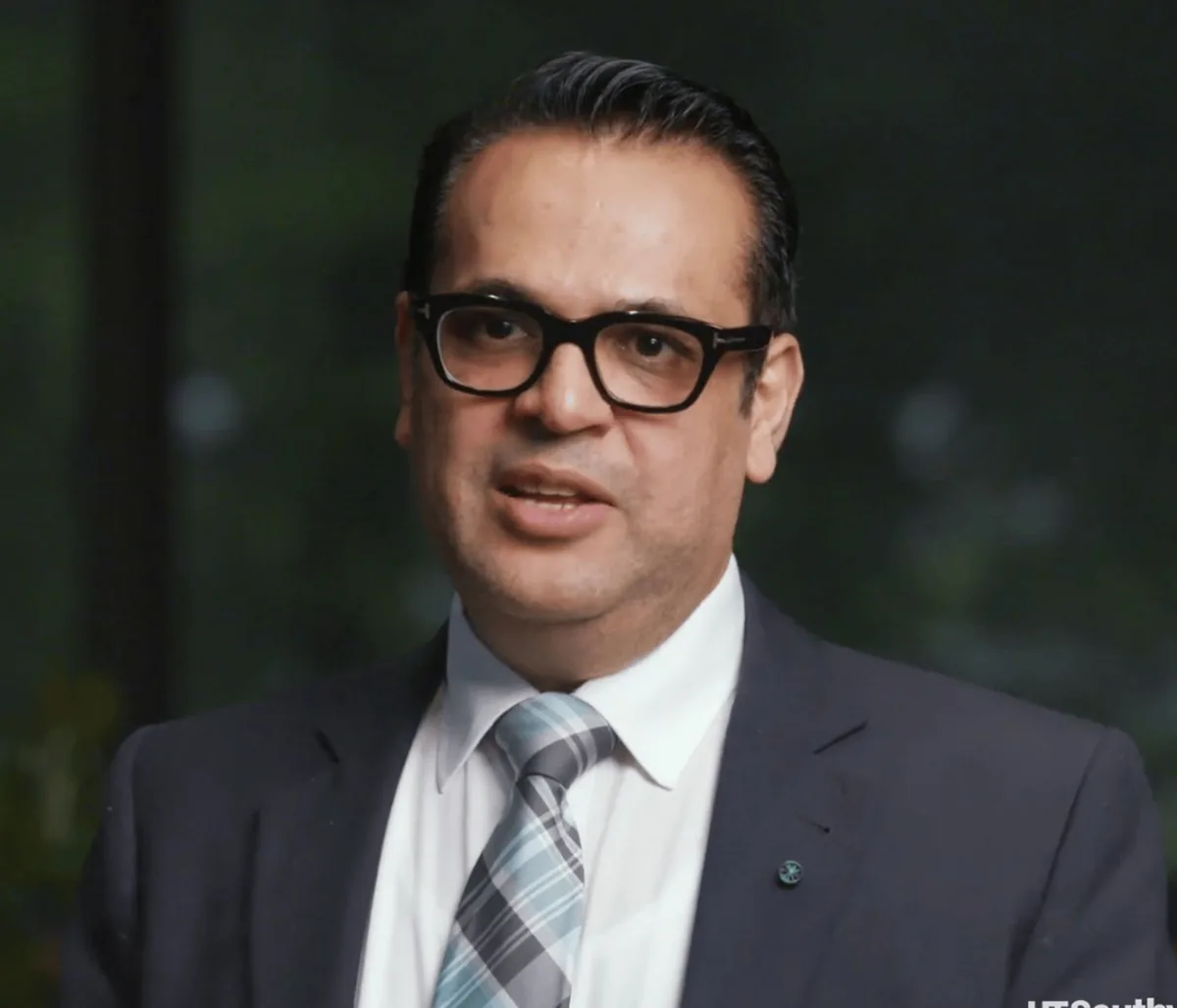
Portrait of Dr. Saad Omer

Dr. Saad Omer

Founding Dean, Peter O'Donnell Jr. School of Public Health, UT Southwestern

Read biography

Dr. Saad B. Omer is the founding Dean of Peter O'Donnell Jr. School of Public Health at UT Southwestern in Dallas. He was previously the inaugural Director of Yale Institute for Global Health. Dr. Omer has conducted studies in the United States, Guatemala, Kenya, Uganda, Ethiopia, India, Pakistan, Bangladesh, South Africa, and Australia. Dr Omer’s research portfolio includes epidemiology of respiratory viruses such as influenza, RSV, and SARS-Cov-2; clinical trials to estimate efficacy of maternal and/or infant influenza, pertussis, polio, measles and pneumococcal vaccines; and trials to evaluate drug regimens to reduce mother-to-child transmission of HIV. Moreover, he has conducted several studies on interventions to increase immunization coverage. His work has also included public health preparedness strategies to effectively respond to large emerging and re-emerging infectious disease outbreaks. Dr Omer’s work has been cited in global and country-specific policy recommendations and has informed clinical practice and health legislation in several countries. Dr. Omer has published widely in peer reviewed journals including the New England Journal of Medicine, JAMA, Lancet, Cell, Science, and Nature. Moreover, he has written op-eds for publications such as the New York Times, Politico, and the Washington Post. Dr Omer was elected to the National Academy of Medicine and has received multiple awards – including the Maurice Hilleman Award by the National Foundation of Infectious Diseases for his work on the impact of maternal influenza immunization on respiratory illness in infants younger than 6 months- for whom there is no vaccine. He has served on the boards of trustees of Gavi the Vaccine Alliance and Sabin Vaccine Institute and advisory panels including the World Health Organization Strategic Advisory Group of Experts (SAGE) on Vaccines, U.S. National Vaccine Advisory Committee, the Presidential Advisory Council on Combating Antibiotic-Resistant Bacteria-Vaccine Innovation Working Group, and multiple National Academy of Medicine panels. Moreover, he served as an academic affiliate of the Office of Evaluation Sciences –formerly known as the White House Social and Behavioral Sciences Team.

Portrait of Ali Wyne

Ali Wyne

Senior Research & Advocacy Advisor, International Crisis Group

Read biography

Ali Wyne is the senior research and advocacy advisor for U.S.-China relations at the International Crisis Group. He previously worked at the Carnegie Endowment for International Peace (2008-09), the Belfer Center for Science and International Affairs (2009-12), the State Department (2013), the RAND Corporation (2017-20), and Eurasia Group (2020-23). A graduate of the Massachusetts Institute of Technology and the Harvard Kennedy School, Ali is a former term member of the Council on Foreign Relations and a former David Rockefeller fellow with the Trilateral Commission. He is the author of America’s Great-Power Opportunity: Revitalizing U.S. Foreign Policy to Meet the Challenges of Strategic Competition (Polity, 2022) and a coauthor of Lee Kuan Yew: The Grand Master’s Insights on China, the United States, and the World (MIT Press, 2013). Ali serves on the board of directors of the Foreign Policy for America Foundation.

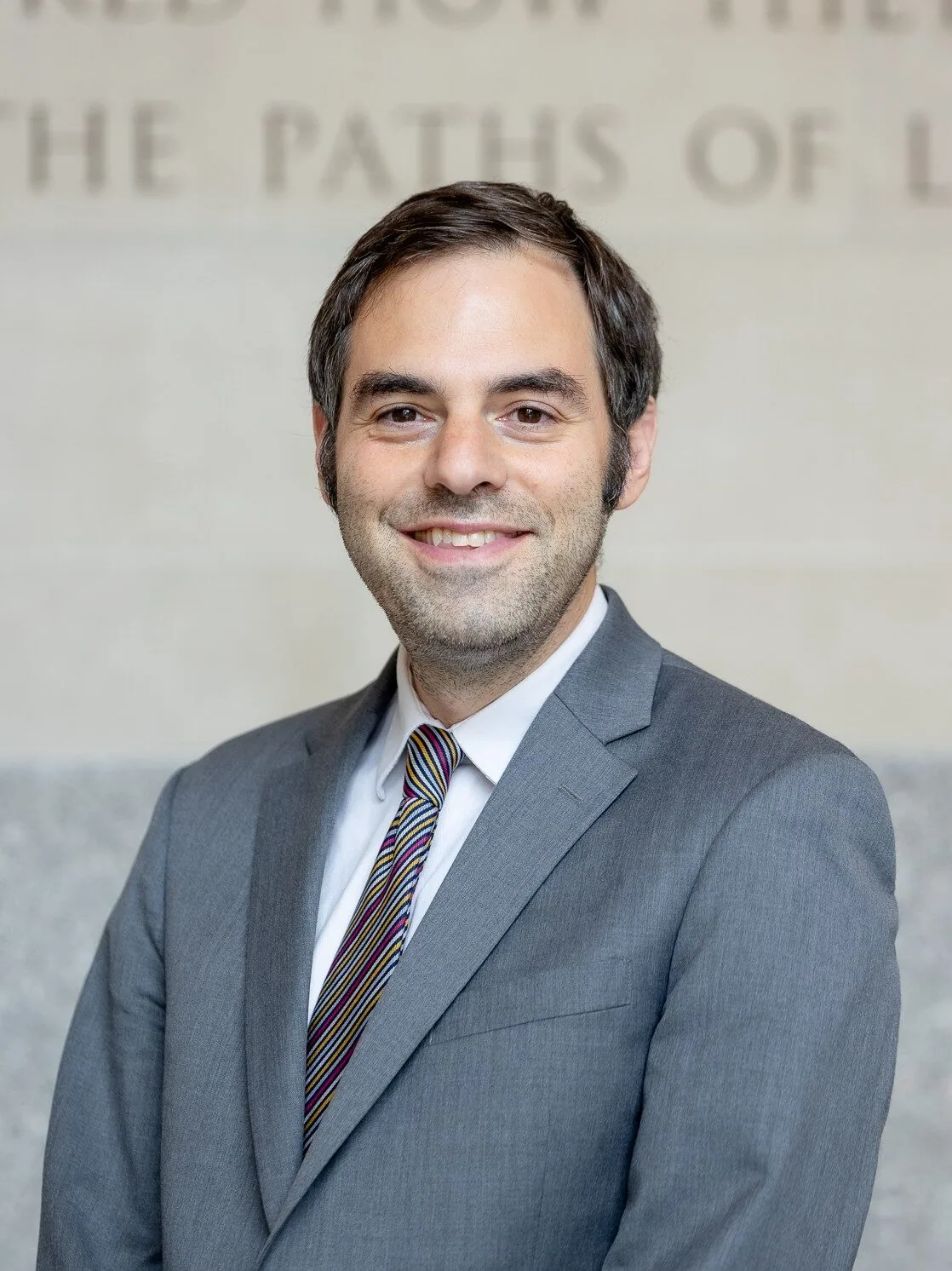
Portrait of Michael Kugelman

Michael Kugelman

Resident Sr. Fellow, South Asia, Atlantic Council

Read biography

Michael Kugelman is a resident senior fellow for South Asia at the Atlantic Council. In addition, he is nonresident senior fellow at the Asia Pacific Foundation of Canada and writer of Foreign Policy magazine’s weekly South Asia Brief. Previously, Kugelman led the Wilson Center’s research and programming on South Asia, with a focus on India, Pakistan, Bangladesh, and Afghanistan, and US relations with each. He was appointed as founding director of the Wilson Center’s South Asia Institute in 2022. Kugelman’s writing and views have appeared in a wide range of outlets and publications, including the New York Times, Washington Post, Financial Times, Wall Street Journal, Foreign Affairs, CNN, NPR, BBC, and Fox News, and in outlets across India, Pakistan, and Bangladesh. He has a master’s in law and diplomacy from The Fletcher School at Tufts University.